
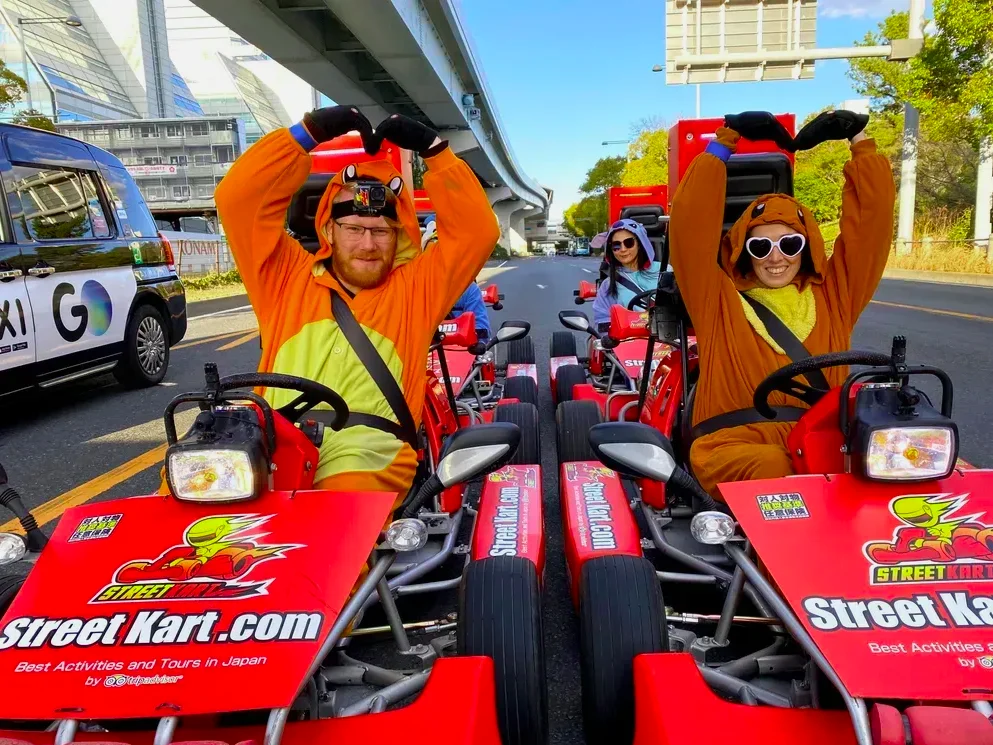
A Tokyo Experience That Brings Three Generations Together: Building Your Family Trip Around Street Karting
Planning a family trip to Tokyo that genuinely works for everyone—from energetic kids to their grandparents—presents a unique challenge. How do you create an itinerary that doesn’t exhaust the older generation while still exciting the younger ones? I’ve found that street kart tours offer a surprisingly elegant solution to this common family travel dilemma. These public road karting experiences transform the journey itself into an attraction, creating shared memories across generational divides. Let me walk you through how to structure a three-generation Tokyo trip around this distinctive activity.
Why Street Karting Works Across Generations
From an educational standpoint, street karting represents what I call “active observation”—the sweet spot between passive sightseeing and overly demanding physical activity. These guided tours through Tokyo’s streets allow families to experience the city together while accommodating different energy levels and mobility needs.
The tour operates under professional guidance, following predetermined routes through Tokyo’s iconic neighborhoods. This structured approach removes the stress of navigation, making it accessible even for first-time visitors. What I find particularly valuable is how different generations perceive the same experience through their own lens—children see adventure, parents appreciate the efficiency, and grandparents enjoy a novel perspective on familiar sights.
Regarding requirements: drivers need either an international driving permit or a Japanese license (detailed information available at the official licensing page). However, and this is crucial for multi-generational trips, non-driving family members can participate as passengers without any licensing requirements. Grandparents and younger children can simply enjoy the ride while taking in Tokyo’s streetscapes from this unique vantage point.
The typical route encompasses Tokyo Tower, Asakusa, Odaiba, and other landmark locations. Unlike conventional tour buses or taxis, the open-air kart experience creates an immersive connection with the urban environment. The certified guides maintain appropriate pacing and provide commentary, ensuring even nervous drivers feel supported throughout.
Starting Your Day With Shared Adventure
From a scheduling perspective, morning street kart experiences offer several practical advantages for family groups. Traffic tends to be lighter, temperatures more comfortable, and everyone typically has maximum energy. A two-hour morning tour establishes a positive tone for the entire day.
The guided format proves particularly valuable here. Your certified guide handles navigation while sharing insights about Tokyo’s history and culture—turning transportation into education. I’ve observed how this arrangement naturally facilitates intergenerational dialogue: children ask questions about what they’re seeing, grandparents share memories of past visits, and parents appreciate the efficient sightseeing.
Book your experience through kart.st, where you can specify your family composition and preferred timing. The staff can then optimize the experience for your group’s specific needs. Tours include designated photo opportunities, ensuring you capture family moments without disrupting the flow.
Post-Tour Lunch: Extending the Experience
After your street kart tour, I recommend dining in one of the neighborhoods you’ve just explored. This approach creates narrative continuity—you’re not just eating lunch, you’re continuing to engage with locations you’ve already connected with during the morning.
In Asakusa, consider traditional Japanese restaurants with tatami seating or well-established tempura establishments. These venues often accommodate multi-generational groups well, with seating options that work for various mobility levels. In Odaiba, waterfront restaurants offer views of Tokyo Bay, providing a completely different perspective on areas you’ve just toured.
The key educational principle here is what I call “experiential reinforcement”—returning to locations you’ve experienced differently. Conversations naturally center on the morning’s adventure, creating organic family bonding. When selecting restaurants, prioritize those offering diverse menu options that accommodate both children’s preferences and gentler flavors suitable for older diners.
Reserving restaurants with private rooms or separated seating areas provides comfort for families with young children while maintaining the peaceful atmosphere older family members often appreciate.
Afternoon: Deepening Your Understanding
The afternoon presents an opportunity for what I term “comparative observation”—revisiting locations from your morning tour but experiencing them at pedestrian pace. This contrast between wheeled and walking exploration reveals details you couldn’t fully appreciate while moving.
In Asakusa, this might mean exploring Sensō-ji Temple grounds thoroughly or browsing Nakamise Shopping Street for souvenirs. Children might be drawn to traditional rickshaws, while grandparents often find themselves nostalgically reconnecting with traditional Japanese aesthetics. In Odaiba, shopping complexes offer climate-controlled comfort suitable for all ages.
I particularly recommend returning to photo spots from your morning tour. Taking comparison shots—first from the kart, later on foot—creates interesting visual documentation of your day. These locations, contextualized by your guide’s earlier commentary, become more meaningful when you can pause and truly observe them.
Preparing for a Safe Experience
Proper preparation ensures your street kart experience remains enjoyable rather than stressful. Drivers must carry valid licensing—either international driving permits or Japanese licenses. Verify specific requirements through the official licensing information.
Clothing choices matter more than you might expect. Select comfortable, secure-fitting garments that won’t catch wind. Open-air vehicles require sun protection: hats, sunglasses, and sunscreen are essential. Since karts lack weather protection, confirm cancellation policies regarding rain when booking.
For families with children, verify age and height requirements beforehand. When grandparents are joining as passengers, discuss boarding assistance with staff during booking. Certified guides provide thorough safety briefings, so don’t hesitate to ask questions—this is education, not just recreation.
Creating Lasting Family Memories
Multi-generational travel succeeds when activities genuinely engage all participants rather than asking some to simply accommodate others. Street kart tours achieve this by offering different types of value to different generations—adventure for children, efficient sightseeing for parents, novel experiences for grandparents.
The guided tour format removes common stress points for unfamiliar visitors. Predetermined routes maximize time efficiency while ensuring you experience Tokyo’s essential locations. This structured approach paradoxically creates space for spontaneous family moments—you’re not worried about navigation, so you’re free to enjoy each other’s company.
Book through kart.st, where you can discuss your family composition and preferred route in advance. This advance communication allows staff to optimize your experience for your specific group. Tokyo’s streets offer memorable backdrops for family bonding—I hope your journey creates stories your family will share for years to come.
Costume Policy Notice
Our establishment does not offer Nintendo or “Mario Kart” related costume rentals. We provide only costumes that respect intellectual property rights.

